
Field Stories
Cultivating Resilience: Urban Agriculture as a Tool for Mental Wellness
5 June 2026
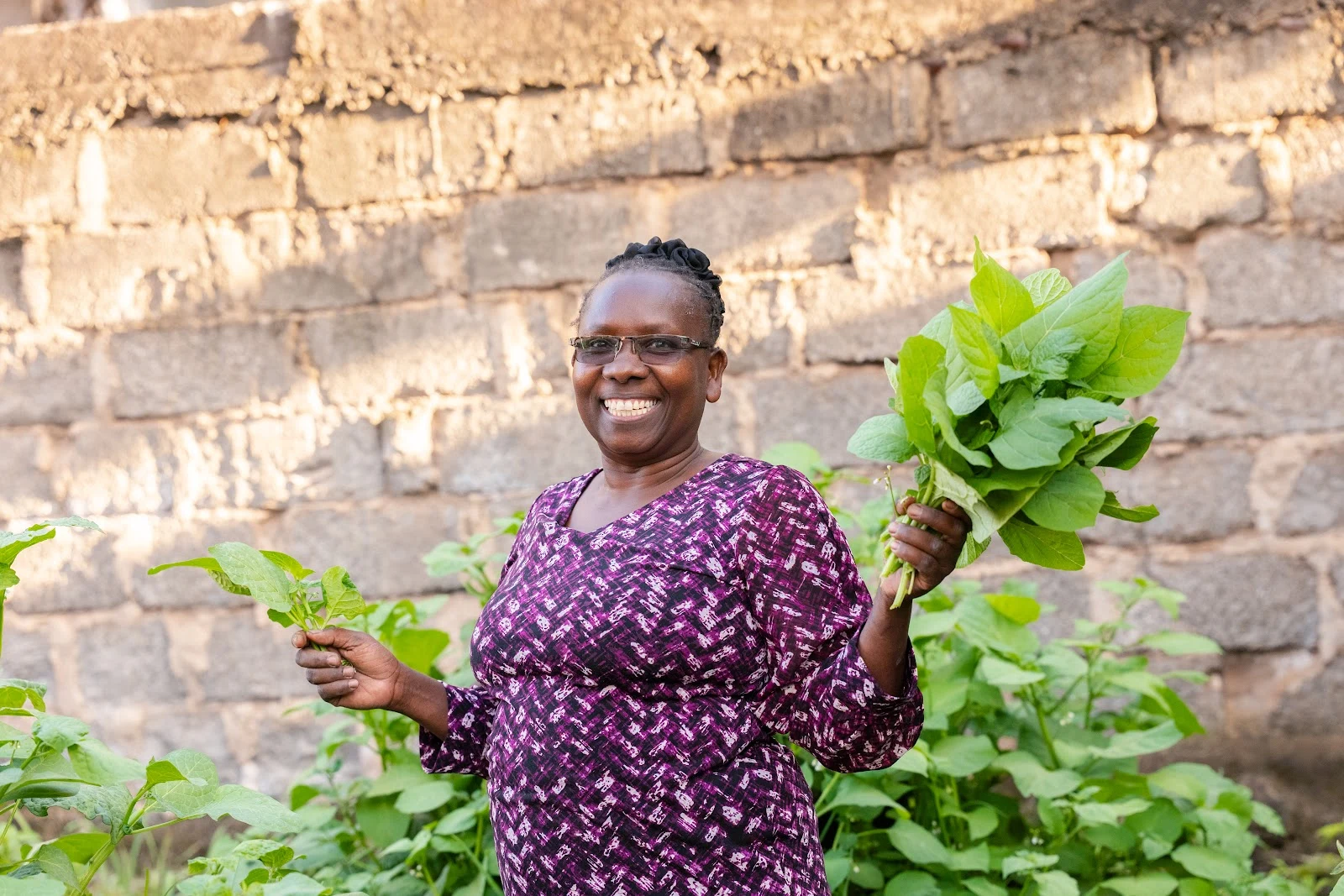
Jane’s urban agriculture journey in Nairobi connects growing food with community resilience, livelihoods and mental wellness.
In an era where over 55% of the global population resides in cities—a figure the United Nations projects will reach 70% by 2050—the concrete jungle often becomes a breeding ground for chronic stress and cognitive overload. However, in the high-density landscapes of Nairobi’s Kawangware and Ngong Road, a visionary agripreneur named Jane is demonstrating that the soil holds the key to both physical and mental restoration. As we observe Men’s Mental Health Awareness Month, Jane’s four-year journey of transforming urban spaces into vibrant food systems offers a vital blueprint for how men can leverage agriculture to cultivate personal and community wellness.
Jane’s work proves that urban farming is far more than a "survivalist hobby"; it is a "powerful non-clinical intervention for community mental wellness". For men, who often face unique societal pressures and may be hesitant to seek traditional clinical help, the "green therapy" Jane champions offers a practical alternative.
Research highlights that the rhythmic, focused tasks of micro-farming—such as sowing, transplanting, and pruning—foster a state of mindfulness. This cognitive shift grounds individuals in the present moment, effectively breaking cycles of traumatic rumination. Furthermore, the biological impact is profound: direct soil contact and purposeful labor are shown to boost serotonin and dopamine levels, providing a natural antidepressant effect. By adopting Jane’s model of "purposeful labor," men can find a productive outlet for stress that yields tangible rewards.
A critical component of Jane’s success is the dismantling of isolation. In her community, the farm acts as a sanctuary where shared trauma is processed collectively. Jane has trained over 5,000 women, many of whom now participate in table banking groups that serve as financial and social safety nets.
This "peer interaction" is a tool men can readily adopt. By engaging in community-based agriculture, men can replace isolation with a sense of shared purpose. This social cohesion is a known buffer against the systemic pressures of urban poverty, which often manifest as household tension and conflict. Studies from UN Women indicate that economic empowerment and reduced financial stress—direct results of urban farming—are key factors in reducing domestic violence and household instability.
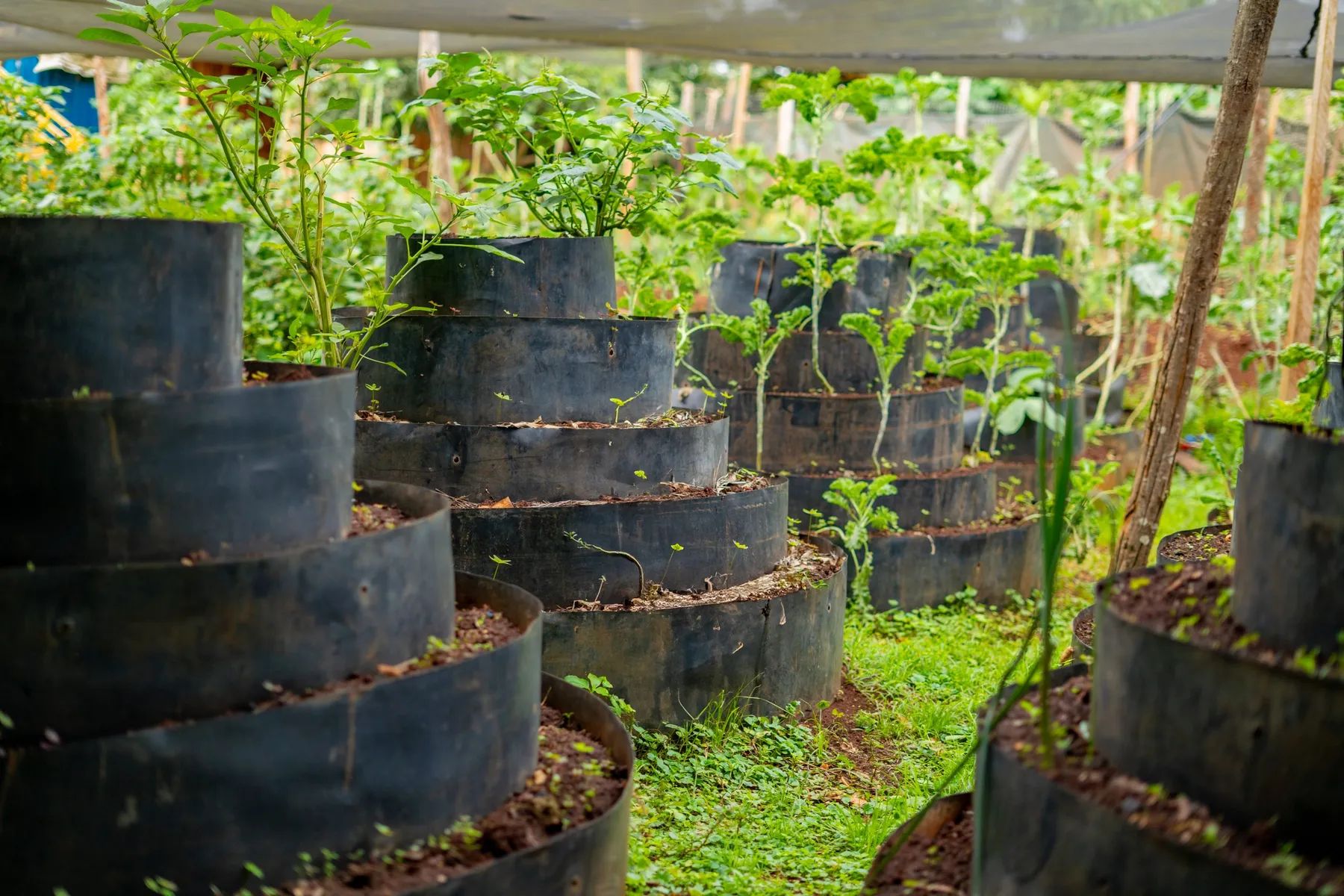
Beyond the psychological benefits, Jane’s model addresses the "skyrocketing food prices" and "nutritional deficits" that plague urban centers. By utilizing vertical spaces, recycled containers, and vertical bags, Jane has established highly diversified micro-farms that yield high-value indigenous vegetables, spinach, and kale.
For urban households, these kitchen gardens are essential economic engines:
Access and Cost: Urban agriculture shortens food supply chains, reducing dependency on external markets and buffering families against rising food prices.
Income Stability: Jane’s curriculum—which includes urban vegetable farming, eco-friendly briquette production, and value-addition baking—helps families diversify their livelihoods beyond a single income source.
Nutrition: Research by the World Bank and IFAD shows that when agricultural income increases, household welfare improves significantly, with earnings typically reinvested into better food and healthcare.
Jane’s story is a reminder that one does not need "expansive rural acreage" to change their life’s trajectory. For men looking to improve their mental health this month, the message is clear: start where you are. Whether it is a small container on a balcony or a shared institutional plot, the act of growing food offers a path to restore personal agency and "quietly heal societies from the ground up".
By embracing the "environmental circularity" and "commercial value-addition" Jane has pioneered, men can transition from being passive victims of urban economic stress to active entrepreneurs and "climate-smart" practitioners. As Jane celebrates her impact during the International Year of the Woman Farmer, her model stands as a universal testament that agriculture is not just about food production—it is about "healing minds" and "strengthening communities".
Keep reading
Join the Movement
Whether you’re a young person exploring agriculture, a farmer with a story to tell, or a partner who shares our vision — there’s a place for you at Kilimore4cus.